The Youth Energy Drink Crisis: Understanding the Risks

An 8-year-old came to my office to be evaluated for an arrhythmia. During the interview, he volunteered that his “influencers” on his video game channel recommended that he buy Energy Plus (not the real name of the energy drink). He told his parents who complied, and he had been drinking 1-2 cans/day for several weeks. He began to complain of rapid heartbeats and chest pain, so he was referred to a pediatric cardiologist for evaluation of these symptoms. His ECG showed frequent PVCs. Other personal and family history, physical exam, and echocardiogram were normal. Impression was caffeine induced arrhythmia and cessation of all caffeine was advised. Within a few days, he no longer had symptoms and his ECG and 24-hour Holter ambulatory monitor were completely normal with no PVCs or other abnormal rhythms.
Project ADAM’s mission is to prevent sudden cardiac arrest and death. Our primary focus is on cardiac emergency preparedness with CPR and AED use. There are many causes of SCA/SCD. Some can be identified before the SCA event, and some cannot. Thus, the use of CPR and AEDs can be lifesaving, especially in schools or sports groups with a Cardiac Emergency Response Plan (CERP) and Heart Safe School Designation. In other cases, avoidance of substances that can overly stimulate the heart, especially in the presence of an undiagnosed underlying cardiac condition, can be lifesaving. Energy Drinks are one of the group of substances that can put the hearts of our youth at risk. Thus, we provide information about this public health problem with the hope that informed parents, teens, and children will avoid these harmful substances once they understand the potential risks.
Energy drinks have been stated to increase energy and alertness, improve the ability to concentrate, or study, and boost athletic performance. But there are many hidden risks of which parents and youth should be aware; many affect the cardiovascular system (heart and blood vessels); some may even be life-threatening.
What is in an energy drink?
Caffeine is the key ingredient in energy drinks, and is a natural substance found in coffee beans, tea leaves, and cocoa beans, among others.
How much caffeine is in an energy drink?
The caffeine in energy drinks ranges from 50-505 mg/can, often double or triple the regulated soft drink caffeine limit of 71 mg/12-ounce beverage.
| Energy Drink Beverages | Caffeine Content (mg) |
|---|---|
| Redline Xtreme | 316 |
| Celsius Heat | 300 |
| Bang | 300 |
| Rockstar Xdurance | 300 |
| Rockstar Punched | 240 |
| 5-hour Energy Extra Strength | 230 |
| 5-hour Energy Regular Strength | 200 |
| Ghost Energy | 200 |
| Celsius | 200 |
| Prime Energy | 200 |
| C4 Jolly Rancher | 200 |
| Monster Energy | 160 |
| Full Throttle | 160 |
| NOS | 160 |
| Rockstar Original | 160 |
| Mountain Dew Amp Original | 142 |
| Red Bull | 80 |
| Soft Drink Beverages | Caffeine Content (mg) |
|---|---|
| Mountain Dew | 54 |
| Diet Coke | 46 |
| Dr. Pepper | 41 |
| Pepsi Diet or Regular | 41 |
| Snapple Lemon Iced Tea | 37 |
| Coca-Cola Regular or Zero | 34 |
| Barq's Root Beer | 22 |
| Lipton Lemon Iced Tea | 21 |
| Sunkist | 19 |
| 7-Up, Fresca, or Sprite | 0 |
| A&W Root Beer | 0 |
| Fanta Orange | 0 |
| Ginger ale | 0 |
| Mug Root Beer | 0 |
How much caffeine is safe for children and youth to consume daily?
There is no recognized safe dose of caffeine for children under 12 years or even adolescents, and the American Academy of Pediatrics (AAP) advises avoidance while others suggest using less than 100 mg per day for adolescents—about one 8 oz cup of coffee. Some have reported energy drink related adverse events including ventricular fibrillation and death with as little as 80 mg of caffeine.
What else is in energy drinks and how can that affect children?
In addition to caffeine, energy drinks often contain other stimulants, amino acids, excessive sugar, herbal supplements, and B vitamins. These energy drink ingredients are often added to traditionally “safe” drinks such as lemonade or other fruit-flavored beverages.
How often do children or youth consume caffeine?
Some studies have shown that up to 75% of children and adolescents consume caffeine or energy drinks daily and over 80% of college students/athletes use energy drinks frequently.
What symptoms or effects can caffeine and especially energy drink high caffeine levels cause in children and youth?
The most common symptoms include:
- Chest pain
- Fast heart rates
- Nervousness/jitteriness/anxiety
- Nausea and “stomach” distress
- Headaches
- Trouble with sleep
- Trouble concentrating or being still
- High blood pressure
Can energy drink consumption hurt a young child or teen? What are the risks?
Consumption of energy drinks releases stimulant hormones and neurotransmitters such as adrenaline. This results in a mismatch of blood flow to the heart and oxygen needs that can result in a heart attack and/or poor heart function. Further, these substances can cause high blood pressure, rupture of blood vessels including the coronaries (supply oxygen to the heart muscle) or the aorta (main blood vessel that carries blood from the heart to the body), weakness of heart muscle function (cardiomyopathy and abnormal heart rhythms in the upper (atria) and lower (ventricles) heart chambers, and sudden cardiac arrest or death. The QT interval (a measure of electrical stability of the heart) can be prolonged by energy drinks, leading to abnormal rhythms and sudden cardiac arrest. This is especially concerning in those with undiagnosed underlying conditions such as Long QT syndrome or other heart conditions that are susceptible to life-threatening arrhythmias from stimulant use. Combining energy drinks with exercise and alcohol, which increases the length of caffeine presence in the body, increases the likelihood of adverse events.
Do energy drinks affect more than the heart?
Other harmful effects involve the nervous system and includes seizures, stroke, mental health effects resulting in psychosis, depression, and anxiety, hallucinations, increased hyperactivity, and inattention in youth, as well as many other serious effects on other body systems. Further, energy drink use can result in addiction.
Why are children and youth at higher risks than adults?
The young body does not handle caffeine in the same way as the adult body. Caffeine may stay in the body longer and the younger person may be more sensitive to its stimulatory effects. The young brain is especially susceptible, so caffeine exposure to an unborn baby or infant who is nursing may result in changes in brain development or function. For children or teenagers, especially when energy drinks are used with other stimulants or substances such as alcohol or party drugs, abnormal rhythms and sudden cardiac arrest and death can occur. Alcohol prolongs the length of time that caffeine persists in the body, as well.
Why are the risks of caffeine more likely to be “hidden” in children and youth?
Many children have underlying conditions that may not be diagnosed until they are older but can make the heart more vulnerable to caffeine such as long QT syndrome, hypertrophic cardiomyopathy, or coronary artery abnormalities. Underlying but often not yet diagnosed conditions have been reported to be present in nearly a third of those who have adverse cardiovascular events from energy drink exposure.
What are the regulations on energy drinks for children and teen or other vulnerable people?
Many energy drinks in the US are classified as liquid dietary supplements, not food, and thus, are not regulated by the Food and Drug Administration (FDA) which sets the amount of caffeine in food and in beverages such as soft drinks. Caffeine falls under an FDA rule called GRAS (generally recognized as safe) and the highly caffeinated energy drinks have “fallen through the cracks, so to speak.” There are no warnings for use in minors.
or vulnerable populations including pregnant women or breast-feeding mothers.
How are energy drinks marketed and sold to our children and youth?
These highly caffeinated energy drinks are often sold alongside sports drinks, vitamin waters and regulated lower caffeine or non-caffeinated drinks. In addition, up to 12% of secondary schools in some districts sell energy drinks in vending machines, school stores, and snack bars, according to the Centers for Disease Control and Prevention. Since the first energy drinks were introduced in the US almost 30 years ago, a third of packaged beverages currently sold in stores are considered to be energy drinks. This is growing at around 10%/year and doesn’t include the nonpackaged/fountain varieties. There are over 500 types of energy drinks to date and growing weekly. The energy drink industry is a multibillion-dollar endeavor in the US and globally.
What should the regulations take into consideration?
The following are suggestions that we made in our publication The Cardiovascular Toxicity of Energy Drinks J Pediatr. 2024 Dec: 275:114224. doi: 10.1016/j.jpeds.2024.114224. Epub 2024 Aug 2.
- A maximum content of active ingredients/unit sold should be set.
- The label should include the total amount of caffeine, guarana, and other substances/unit.
- The size of individual packages should be ≤250 mL (~8 ounces) to moderate exposure.
- The label should include full disclosure of potential risks.
- The label should identify vulnerable populations who should avoid energy drinks including children and adolescents, especially in the presence of underlying cardiac conditions, pregnant and breast-feeding women, those with seizure disorders, mental health issues affected by stimulants, and caffeine sensitive individuals.
- Sales should be limited to adults.
- These restrictions should apply to all points of sale.
- Public access of minors to caffeine-containing fountain products should be prohibited.
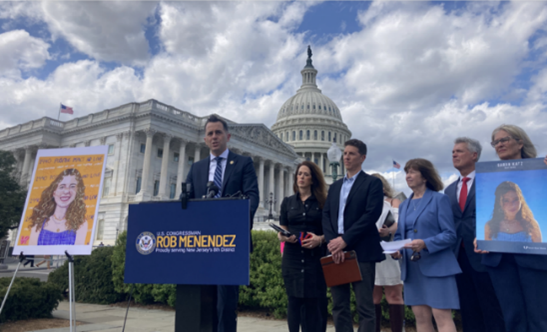
Current legislative efforts are in progress
What can I do as a parent?
Be aware of what your children are drinking and teach them about healthy foods and drinks, especially water for good hydration. Discuss the benefits of a healthy lifestyle without caffeine but with good nutrition, healthy drinks, exercise and adequate rest and relaxation. Set a good example for your children.